Client portals
Client portal development can create a shared place for customers to access information and complete agreed tasks. Possible features include document access, request submission, progress tracking, and account settings. The scope should identify what each user can see and do, how accounts are created, and how access is removed when a relationship ends.
Dashboards and browser-based tools
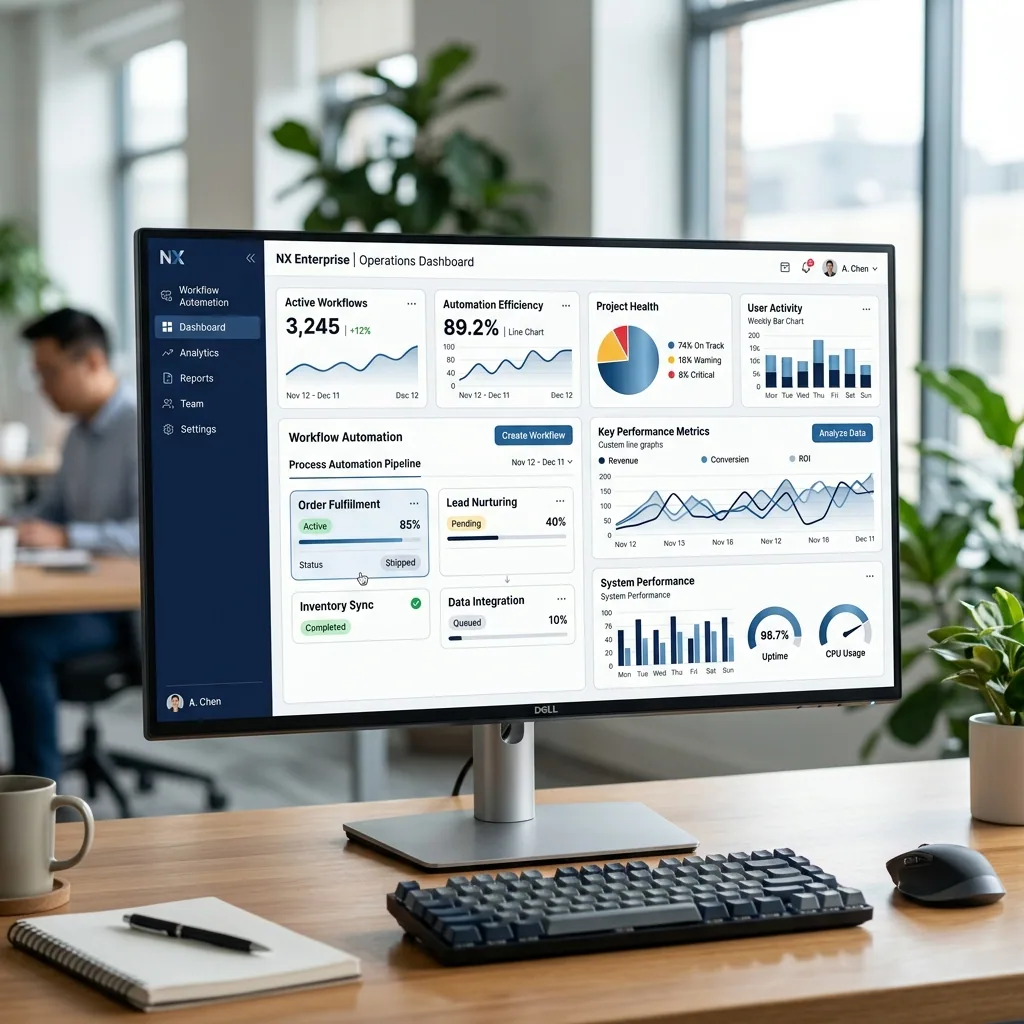
A dashboard should help users answer specific questions or take action. Decide which information matters, how current it needs to be, and which system supplies it. Charts, filters, exports, and data-entry screens are possible components; their value depends on whether they support the actual task. Empty, delayed, and unavailable data need understandable states too.
Booking and intake applications
Scheduling and intake tools can connect a visitor's request to a business workflow. Potential requirements include forms, availability rules, confirmations, and CRM or calendar connections. Establish who owns the final appointment record and what happens when an integration fails. Payments or sensitive information introduce additional requirements that should be assessed within the proposed scope.
Business websites
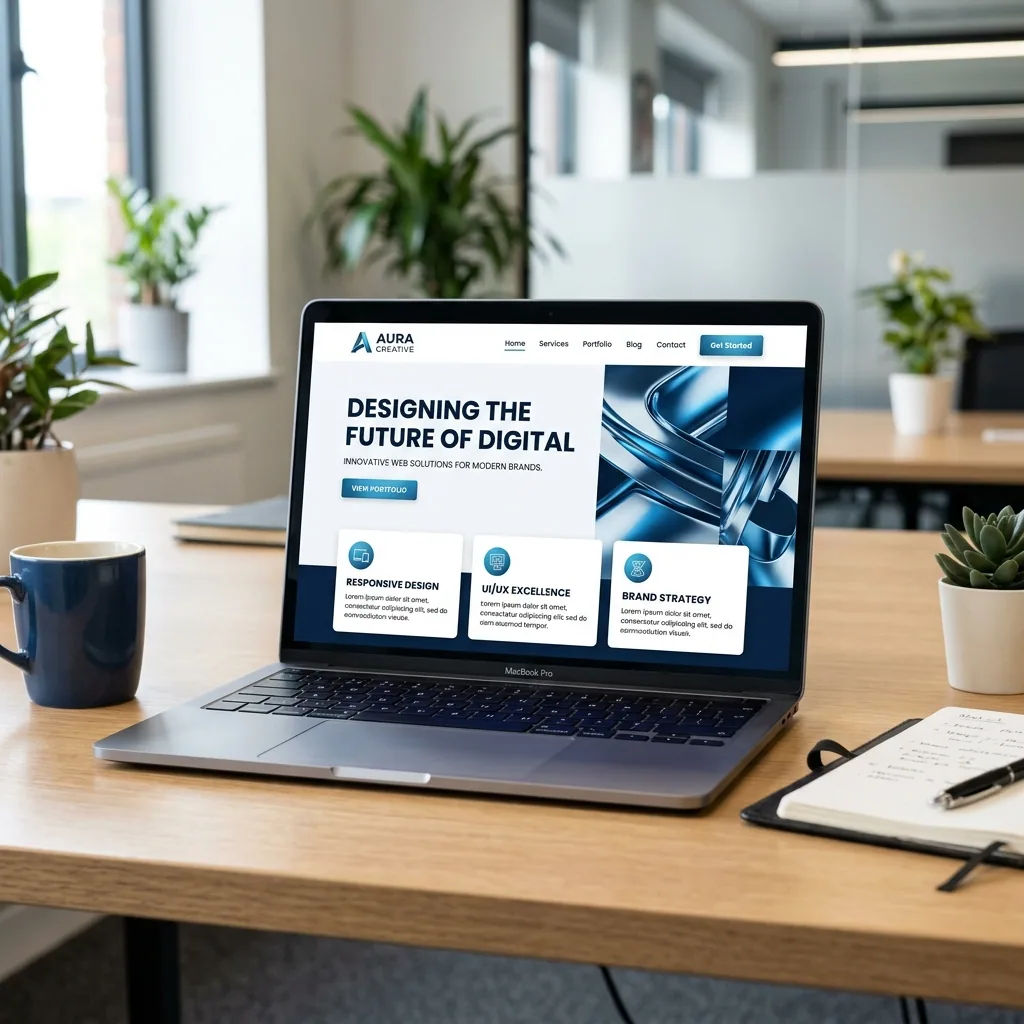
A business website needs clear service pages, a sensible content structure, and a straightforward path to contact. The design should support the content rather than hide it behind visual effects. A content management system, multilingual pages, or editorial approval workflow may be useful options when people need to update the site regularly.