Software Development Services

LighTecHouse provides software development services for businesses creating digital products, improving internal operations and connecting existing tools. Our four service areas are custom software, web applications, SaaS development and AI automation.

Choosing a service starts with the problem. Are you building a product to sell, a tool your team will use or a better way to handle repetitive work? The answer helps define the users, the scope and the kind of engineering your project needs.

This guide explains the differences so you can start a useful conversation, even if you do not have a technical specification. Tell us about your project when you are ready to discuss the next step.

Compare the Four Service Areas

Your main goalStart hereQuestions to clarify
Improve a business processCustom softwareWhich workflow, exceptions and approvals need support?
Build a client portal, dashboard or business websiteWeb applicationsWhat should users see and do after opening the application?
Launch a subscription software productSaaS developmentWho pays, how are accounts organized and what defines the first release?
Reduce repetitive calls or coordination tasksAI automationWhat may be automated and when should a person intervene?

These categories can overlap. A SaaS product is often a web application, and a custom operations system may include automation. Use the category that describes the main business objective, then discuss any supporting requirements.

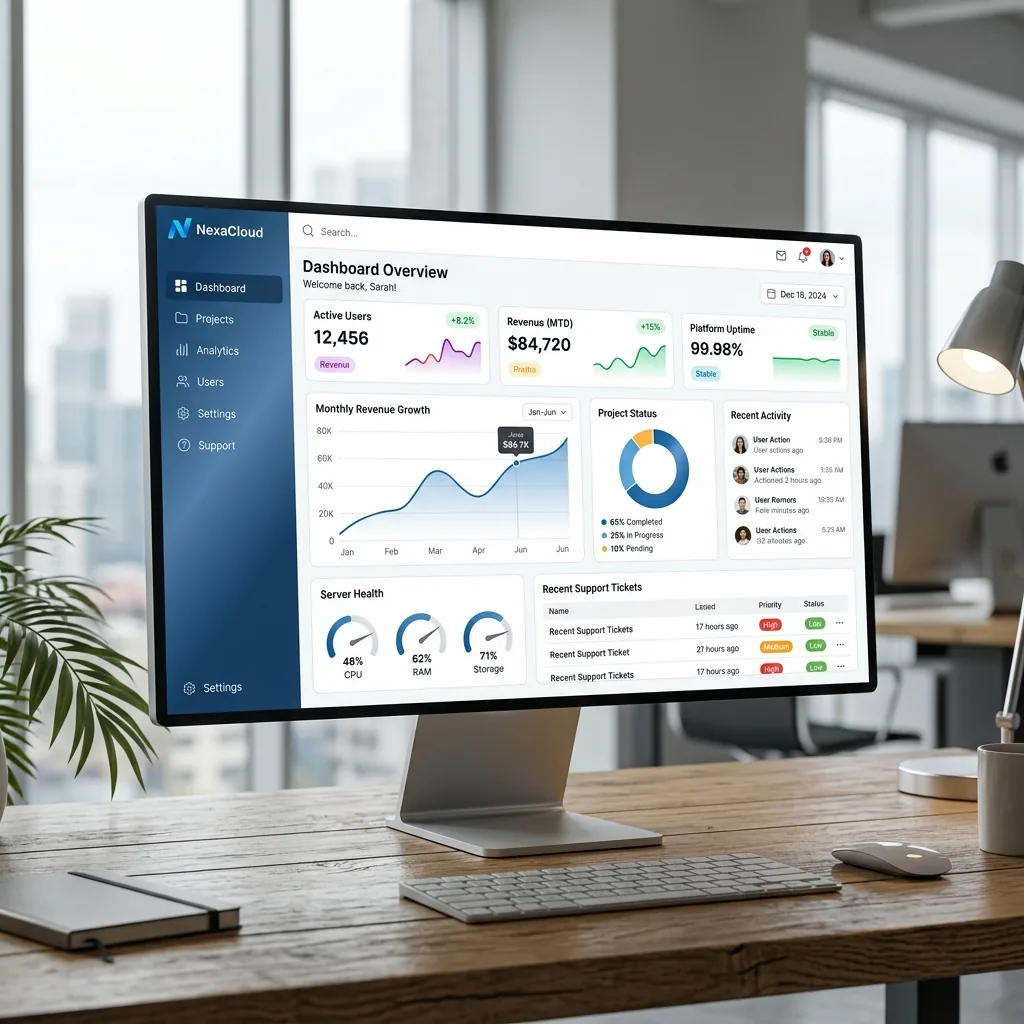
Web Application Development ServicesWeb Apps

Web Application Development Services

High-performance web application development services engineered with Next.js, React, and Node.js for speed, security, and user engagement.

Solves: Slow, legacy, or unresponsive web portals that fail to engage visitors, lack scalable API architectures, or degrade under high user loads.
Explore Service
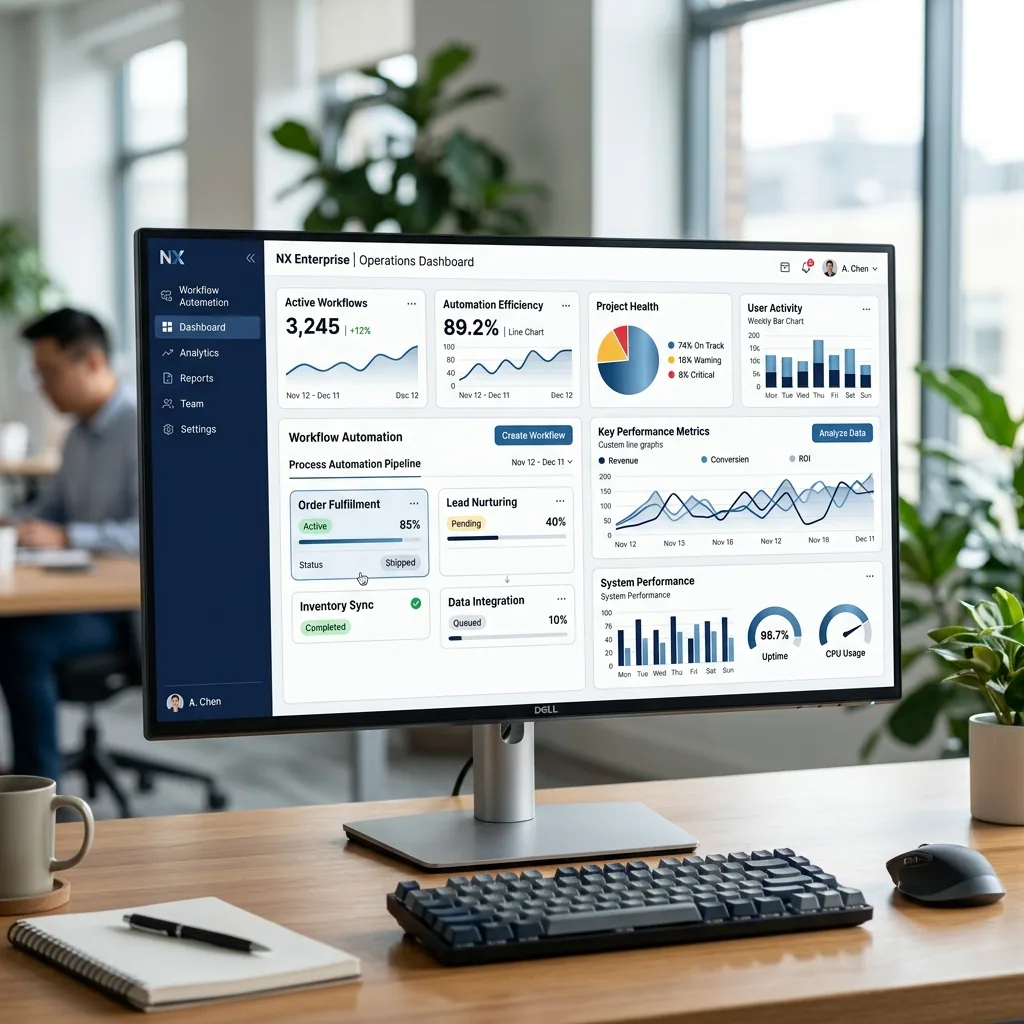
Custom Software Development ServicesCustom Software

Custom Software Development Services

Tailored B2B software engineering, operational workflow automation, and custom management platforms built around your specific business requirements.

Solves: Off-the-shelf software tools that restrict operational flexibility, lock business data in isolated silos, or force recurring per-user licensing fees.
Explore Service
SaaS Product Development ServicesSaaS Platform

SaaS Product Development Services

End-to-end SaaS product engineering — multi-tenant cloud architecture, subscription billing integrations, user management, and scalable SaaS dashboards.

Solves: Founders and growing businesses struggling to transform software ideas into scalable, multi-tenant subscription products with reliable payment and user infrastructure.
Explore Service
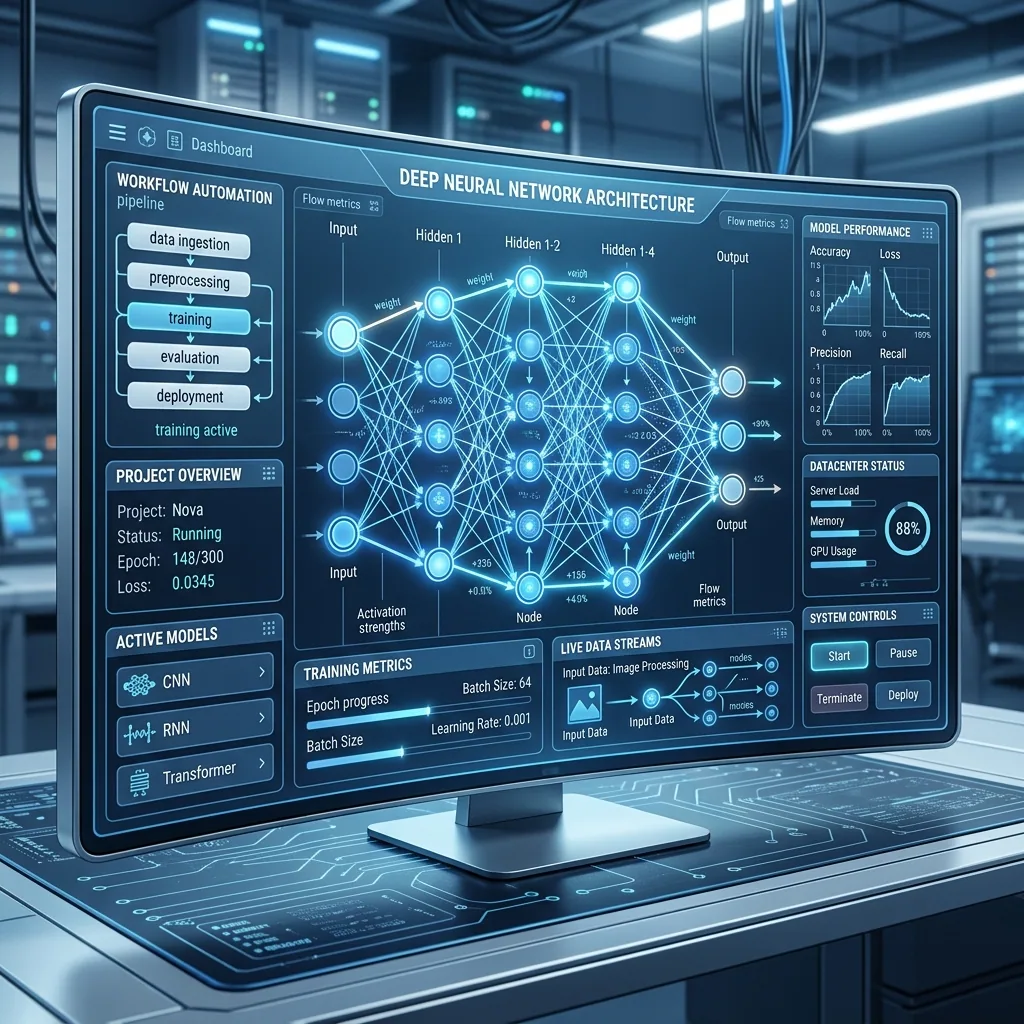
AI Development & Business Automation ServicesAI Agents

AI Development & Business Automation Services

Custom AI agent development, automated Voice AI phone receptionists, and business process automations tailored to operational bottlenecks.

Solves: Lost revenue from missed phone calls, expensive manual lead qualification, repetitive data entry, and underutilized business data silos.
Explore Service

Custom Software Development

Custom software supports a process that standard products cannot handle well enough. It may replace an operational spreadsheet, organize approvals, connect information across departments or provide an internal system with business-specific rules.

Begin by looking at the work rather than the screens. A form may appear simple while the approval logic behind it depends on several departments, budget limits or unusual exceptions. Those details influence both the scope and the testing needed.

Typical areas to discuss include workflow states, permissions, reporting, integrations and the movement of existing data. Features should follow actual needs; a dashboard is only useful when its information supports a decision someone needs to make.

Best suited to: businesses with a defined operational problem and people available to explain how the current process works.

First question to answer: which repeated problem would justify the investment if it were solved?

Explore custom software development.

Web Application Development

Web applications let users complete tasks through a browser. The experience might be a client portal, a staff dashboard, a booking tool or a business website with integrated enquiries. The required functionality determines whether the project is mainly content delivery or application engineering.

For a customer portal, consider sign-in, account access, documents and status updates. For an internal dashboard, focus on accurate information, useful actions and clear permissions. A marketing website needs a different emphasis: clear content, navigation, enquiries and a sound foundation for search visibility.

LighTecHouse's technology focus includes Next.js and TypeScript. Framework choice is part of the technical plan, together with rendering, integrations, accessibility and performance testing. It does not remove the need to define the experience carefully.

Best suited to: organizations that know what customers or staff need to do online and want a browser-based way to support it.

First question to answer: what useful task should the user complete during a successful visit?

Explore web application development.

SaaS Product Development

SaaS development focuses on software offered as an ongoing service. Beyond the main feature, a product may need customer accounts, onboarding, subscription access, administration and a way to support users after release.

The business model affects the architecture. A platform sold to companies may group several users under one account. A product sold to individuals may have different roles and account boundaries. Plans, trial periods and billing arrangements need clear definitions before access rules can reflect them.

A minimum viable product should solve a recognizable customer problem. Reducing the first release to a meaningful workflow helps you learn about usage without committing to a large roadmap in advance. Later features can respond to observed needs.

Prodentix, our own live dental practice management SaaS application, is one product in our portfolio. Its advertised one-month trial and $19/month subscription are specific to that product, not a price for development services.

Best suited to: founders and product teams with a clear audience, a problem to solve and a plan to learn from early customers.

First question to answer: why would a customer continue using and paying for the first version?

Explore SaaS development.

AI Development and Business Automation

AI automation can assist with business tasks involving language, documents, phone conversations or repeated coordination between tools. Examples to evaluate include routine call handling, enquiry classification, document-based answers and the transfer of information into a CRM.

Some workflows need a language model, while others are better handled by straightforward rules. A calendar synchronization task may primarily need reliable integration. A caller asking questions in varied language introduces different testing and fallback requirements.

Our focus includes voice AI, Vapi, language-model and retrieval-based systems, and CRM or calendar integrations. The suitable approach depends on the information available and the action the system is allowed to take.

Choose an initial workflow with clear boundaries. Define what success means, which examples to test and how a person can intervene. AI-generated output should not be treated as automatically correct simply because it is fluent.

Best suited to: businesses that can describe a repetitive task, provide representative examples and identify a human owner for exceptions.

First question to answer: what must the automation do when it is uncertain or another service fails?

Explore AI development and automation.
When a Project Combines Services

An appointment platform could combine a web interface, custom operational rules and an AI phone assistant. A subscription product could also include an internal support dashboard. These combinations are normal, but they should not obscure the first release's purpose.

Identify the core workflow, then separate required dependencies from additions that can wait. For example, a scheduling interface may be useful before voice automation is introduced. Launching those stages separately can help you understand the operational process before adding more moving parts.

The proposal should explain how the pieces relate and where responsibility sits. If several providers are involved, clarify who owns each integration and who investigates when information stops moving between systems.

Decide Whether to Build, Buy or Integrate

Custom development is one option among several. If a mature product covers your needs, configuration and training may provide better value. If the main problem is duplicate entry between two existing systems, integration could be enough.

Building becomes more relevant when the workflow is distinctive, existing tools cannot support it reasonably or your product depends on functionality you need to control. Compare the complete cost, including operation, maintenance and the time your team spends administering the system.

Avoid assuming that custom software always costs less over time. The comparison depends on the alternatives, expected usage and support needs. A short list of requirements can make that decision much clearer than a long list of desired features.

What Affects Cost and Delivery

Four factors deserve early attention: workflow complexity, user permissions, integrations and data. A single-user internal tool has different requirements from a platform with customer organizations, subscription plans and several connected services.

Content, approvals and access also matter. A website needs approved copy and assets. An integration needs access to the relevant systems and documentation. A migration needs a review of existing records, not just a count of how many there are.

Discuss development charges separately from recurring costs. Hosting, payment providers, AI usage, messaging and maintenance can affect the operating budget. Your agreed scope should explain what is included and which items are charged elsewhere.

A Shared Delivery Framework

Across services, our development process moves through discovery, design, engineering, testing, deployment and handover. The level of detail varies by project; the need to resolve responsibilities does not.

Before work begins, agree on deliverables, review points and what acceptance means. Define how changes will be considered and how code ownership is addressed in the Statement of Work. Discuss post-launch responsibilities while the scope is being prepared.

Questions About Choosing a Service

Clear guidance to help you select the most effective development approach.

Is Custom Software the Same as a Web Application?

The terms describe different aspects of a project. Custom software refers to a system built for particular requirements; a web application describes how people access it. Your custom system may run in a browser, so a project can fit both descriptions.

Can We Start With a Small Release?

Yes, the initial scope can focus on one valuable workflow. Decide what users need to achieve and which dependencies make that possible. A small release still needs appropriate testing, permissions and a practical plan for operating it.

Can We Bring an Existing Codebase?

Describe its current condition, ownership, documentation and the change you want to make. Existing software needs assessment before effort or suitability can be confirmed. Access should be arranged securely after the initial discussion.

Who Owns the Software?

Repository access and intellectual property arrangements are defined in the Statement of Work. Third-party tools and licensed components may have separate conditions. Ask about handover and operating accounts so the agreement matches your expectations.

What Should We Send First?

Send the business problem, intended users, current tools and desired first outcome. Include a deadline and budget range if available. Contact LighTecHouse to discuss which service and starting scope fit your project.

Ready to discuss your software project?

Contact LighTecHouse to evaluate your technical requirements, architecture, and next steps.

+92 341 4915795